High Protein Lunches for Gym Days: How to Hit 40g at Midday
TL;DR
A typical desk lunch delivers just 15 to 20g of protein, well short of the 30 to 40g per meal that maximally stimulates muscle protein synthesis. On training days, aim for 40g at lunch. You can hit it from a desk with builds like 120g of tinned tuna plus two boiled eggs (about 43g) or 200g of cottage cheese plus edamame (about 40g). Use the formula: a 30g-plus protein anchor, a smart carb and two vegetables. Protein timing around your workout matters far less than total daily intake spread evenly across your meals.
You nail breakfast, you dial in dinner, and then lunch quietly undoes the plan. A meal deal sandwich and a packet of crisps at your desk banks maybe 15 to 20g of protein, which is why so many people who train hard reach 3pm having eaten a third of what they think they have. On a training day, that midday leak is the difference between a protein plan on paper and muscle you actually keep.
The fix is a 40g protein lunch, and it is more achievable from a desk than it sounds. Below are the numbers on why 40g and why midday, an honest audit of what your usual lunch delivers, and eight desk-realistic builds with the gram maths already done. If you want the daily-target foundations first, our guide to how much protein you need per day covers them; this piece is about winning the meal where the plan usually breaks.
The 40g target: 40g at midday is a deliberate training-day dose, not a round number. It sits at the top of the 30 to 40g range that maximally stimulates muscle protein synthesis for most adults, with headroom for bigger or heavily training bodies who dose at the higher end.
Why does lunch matter so much on gym days?
Because lunch is the meal most people under-eat protein at, and the one that decides whether your intake is spread across the day or crammed into dinner. Muscle is built one meal at a time, so a 40g lunch is worth more than the same protein back-loaded into the evening.
The evidence for spreading protein is direct. In a controlled crossover trial, eating protein evenly across three meals (around 30g each) produced 24-hour muscle protein synthesis roughly 25% higher than skewing the same total toward dinner, and the advantage held after a week on each pattern. Lunch is usually the dose that collapses, so it is where the biggest easy gain sits. For the morning half of the same job, our 30g protein breakfast guide does the equivalent maths.
Why 40g, and why at midday?
Because a single meal stimulates muscle protein synthesis up to a ceiling, and for most adults that ceiling sits around 0.4g of protein per kg of bodyweight, which lands near 30 to 40g for a typical trainee. Hitting the top of that range at lunch means you are not leaving stimulus on the table at your leakiest meal.
The practical read on the dosing research is that repeated 30 to 40g doses across the day beat one big evening hit, and that bigger bodies sit toward the upper end of the range. The aim is simple: three to four protein-anchored meals, spaced through the day, each clearing roughly the same bar.
What about training right before or after lunch? The old one-hour anabolic window has not held up. A meta-analysis of 23 trials found no independent timing effect on muscle or strength once total daily protein was accounted for; earlier studies that seemed to show one had simply fed the timed group more protein overall. Total intake and per-meal doses matter far more than the stopwatch, so a 40g lunch counts whether you trained at 7am or plan to train at 6pm. Our guide to what to eat after a workout covers the recovery meal in full.
What does your usual lunch actually deliver?
Less than you think, and by design. A standard desk lunch lands in the 8 to 24g range, well short of 40g, because convenience formats are built around cheap, shelf-stable carbs rather than protein. Here is what the typical options bank before you add anything to them.
Figures are approximate.
The pattern is clear: the gap is structural, not a knowledge problem. You are not choosing badly so much as choosing from a shelf that was never stocked to hit 40g. Even the best-in-class meal deal, a chicken salad sandwich with a yoghurt, tops out around 25g, and that is before the crisps and cola most people actually pick. Closing the gap means adding a deliberate protein anchor, not swapping one carb-led format for another.
Eight desk-realistic lunches that hit 40g
Each build below clears 40g of protein using dish archetypes rather than fussy recipes, so you can adapt them to whatever your kitchen or shop stocks. The protein figure that does the heavy lifting sits as a pill on each card, so you can swap the sides freely and still know the number holds. They split into cook-ahead, assemble-at-work and buy-smart options, plus a shake-and-food fallback for the days that get away from you.
Cook-ahead
Chicken and grain bowl
About 44g protein
130g of cooked chicken breast (roughly 40g) over rice or quinoa with peppers and broccoli. The reliable training-day default; batch three at once on a Sunday.
Salmon and lentil bowl
About 43g protein
120g of cooked salmon (roughly 30g) with 150g of cooked lentils (roughly 13g) and spinach. Oily fish and fibre in one box.
Tofu and edamame noodle box
About 42g protein
150g of firm tofu (roughly 25g) with 150g of shelled edamame (roughly 17g) tossed through soba noodles. A plant-based build that still clears the bar.
Assemble at your desk
Tuna and egg jar
About 43g protein
120g of tinned tuna (roughly 30g) with two boiled eggs (roughly 13g), sweetcorn and a squeeze of light mayo. Store cupboard plus fridge, thirty seconds to build.
Cottage cheese and edamame box
About 40g protein
200g of cottage cheese (roughly 24g) with 150g of edamame (roughly 16g) and cherry tomatoes. No cooking, no reheating, no compromise.
High-protein wrap
About 44g protein
100g of cooked chicken (roughly 31g) in a high-protein tortilla (roughly 10g) with light cheese and salad. Rolls up, travels well.
Buy smart
Prawn and mixed-bean salad
About 40g protein
A 120g pack of cooked prawns (roughly 26g) tipped over a bean salad (roughly 14g) from the same chiller. Two grab-and-go items, one 40g lunch.
Fallback
Shake plus food
About 44g protein
A whey or plant shake (roughly 24g) with a 200g pot of Greek yoghurt (roughly 20g) when there is genuinely no time. It works, but treat it as the backstop, not the plan; our case for natural protein over shakes explains why.
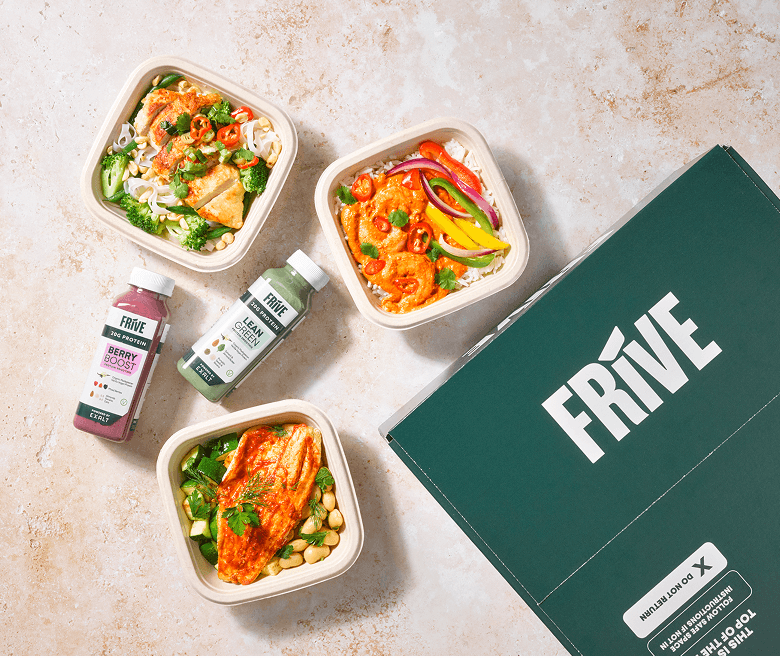
If you would rather skip the assembly entirely, this is where a high-protein ready meal earns its place: the plan’s protein and grain bowls and lean meat and vegetable plates are built around 40g or more per serving, dietician-approved, and ready in around three minutes, so the 40g lunch happens between meetings without a chopping board in sight. For the general desk-lunch playbook, our lunch ideas for busy professionals widens the net, and our best protein snacks list keeps the afternoon topped up.
Quick tip: on the weeks when even assembling feels like too much, lean on a meal prep delivery service that prioritises whole ingredients and skips the ultra-processed fillers, so the protein you are paying for is real food rather than additives. Many now offer dedicated high-protein meal plans built around 40g or more per serving.
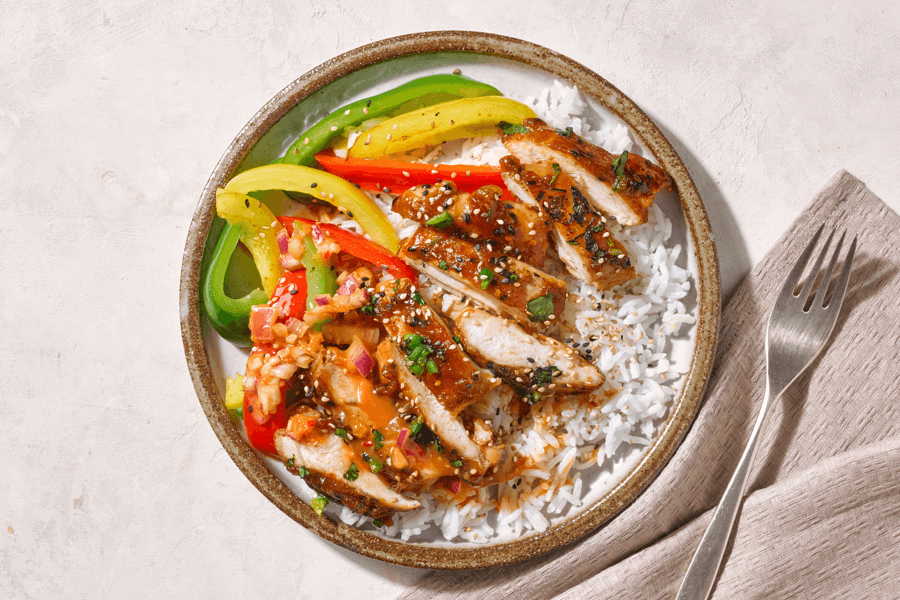
What is the gym-day lunch formula?
Protein anchor, smart carb, two vegetables. Get a 30g-plus protein anchor on the plate first, add a carb sized to your training, and fill the rest with vegetables. Do that and 40g takes care of itself.
The gym-day lunch formula: protein anchor (30g or more) + smart carb + two vegetables. Worked example: 130g of cooked chicken breast (about 40g of protein) + 180g of cooked rice + broccoli and peppers = a 42g lunch that took one pan to prep.
Adjust the carb to the day, not the protein. A hard session or a heavy training block justifies the fuller carb side; a rest day trims it back. The protein anchor stays put either way, because that is the part doing the muscle work.
Loading the menu…
How do you make 40g the default, not the exception?
You remove the step that fails. The honest truth is that most people can build every lunch above; what breaks on the busiest training days is the building itself, when back-to-back meetings win and the meal deal wins by default.
That is the exact gap a done-for-you high-protein plan closes. Every meal on the Frive high-protein plan is built around 40g or more of protein per serving from natural sources: British, Red Tractor-approved meat and proper fish, with no ultra-processed fillers or artificial ingredients. It is dietician-approved, personalised to your training goals, and ready in around three minutes, so the leakiest meal of the day becomes the easiest one to get right. With more than 100 meals rotating monthly across bowls and plates, gym-day lunches stay varied instead of becoming the same chicken and rice on repeat.
Build your own when you have the time, lean on the plan when you do not, and either way the midday leak stops being the reason a good week of training goes to waste.
Frequently asked questions
How much protein should I eat at lunch to build muscle?
Aim for 30 to 40g at lunch. Muscle protein synthesis is maximised by per-meal doses of roughly 0.4g of protein per kg of bodyweight, which lands near 40g for most trainees. Spreading protein evenly across meals builds more muscle than saving it for dinner.
Is 40g of protein too much in one meal?
No. Your body uses protein above the per-meal muscle-building ceiling for other jobs, so nothing is wasted. For larger bodies and heavy trainees, 40g sits comfortably within the recommended per-meal range rather than above it, making it a sensible training-day target.
What can I eat at my desk for 40g of protein?
Assemble-at-work builds hit it easily: 120g of tinned tuna with two boiled eggs reaches about 43g, and 200g of cottage cheese with 150g of edamame reaches about 40g. A high-protein wrap with 100g of chicken clears 40g with no cooking at all.
Do I need protein straight after the gym?
Not urgently. The old one-hour anabolic window does not hold up once total daily protein is accounted for; the useful window is several hours wide. A 40g lunch counts toward recovery whether you trained that morning or plan to train later.
Why do most desk lunches fall short of 40g?
Convenience formats are built around cheap, shelf-stable carbs, not protein. A meal deal sandwich delivers 18 to 24g, a pasta pot 8 to 12g and soup with a roll around 8 to 10g. Closing the gap means adding a deliberate protein anchor.
Are protein shakes a good high-protein lunch?
As a fallback, yes. A shake with a pot of Greek yoghurt can reach 44g when there is genuinely no time. But natural foods bring fibre, micronutrients and satiety a shake lacks, so keep shakes as the backstop rather than the everyday lunch.
How do I hit 40g at lunch without cooking every day?
Batch cook-ahead bowls at the weekend, keep assemble-at-work staples like tinned tuna, eggs and cottage cheese stocked, or use a high-protein ready meal built around 40g per serving. The goal is removing the step that fails on your busiest days.